
Pruning
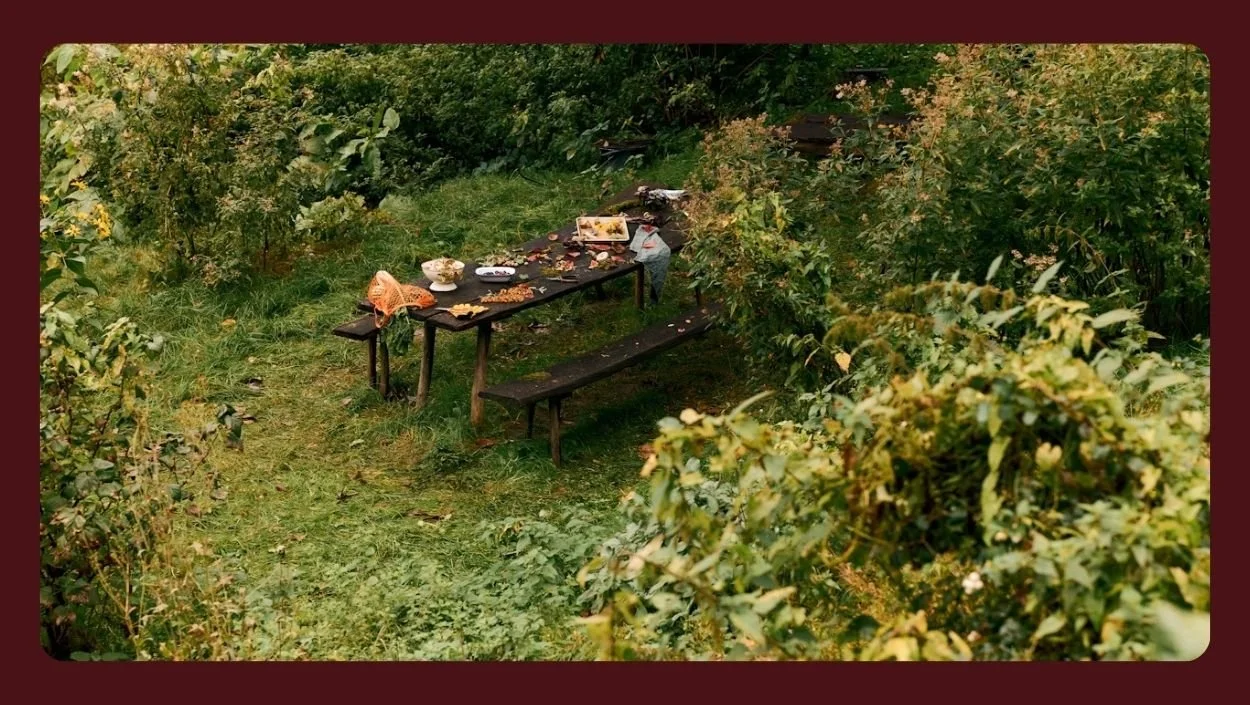
There is a can mockup of FlyBoy sitting on my desk right now, and every morning I walk past it on my way to make coffee, and I think: Be patient with it. You’re doing great! Take each task one day at a time. Give it what it needs to grow.And then I proceed to spend the next twelve hours doing the exact opposite of that.I had a call with my CPG mentor recently to talk through fundraising timelines and cash flow realities, and her first piece of advice was simple, gentle, and completely unwelcome: slow down. Move when the money is ready. Take it one step at a time. My gut reaction was to exclaim “boo, sad”, which got a nice, long laugh from her. It’s not the advice I wanted to hear because slowing down when you’re this excited about something feels almost impossible to justify.I am a future-minded person when it comes to building. I dream loudly and in full color, glamorizing the destination before I’ve even packed a bag for the journey. When I mentioned my upcoming drive to California, my roommate recently started listing all the places I should stop: the national parks, the scenic routes, the long detours worth taking. But the whole time she was talking, I was already on the freeway, the most efficient route loaded into Google Maps, just trying to get there. If I had to choose between journey and destination, I’d choose destination every time.None of this is to say I’m not meticulous, or that I don’t care about the details. I absolutely do. I am the person who builds the to-do list and then executes it slowly and deliberately. I also like to bundle my tasks with the small pleasures that make a day feel full: a slow coffee in the morning, a languorous lunch somewhere good in the middle of the day, dinner with a friend at night. I love the unhurried pace of living. So why is it so hard to love the unhurried pace of building?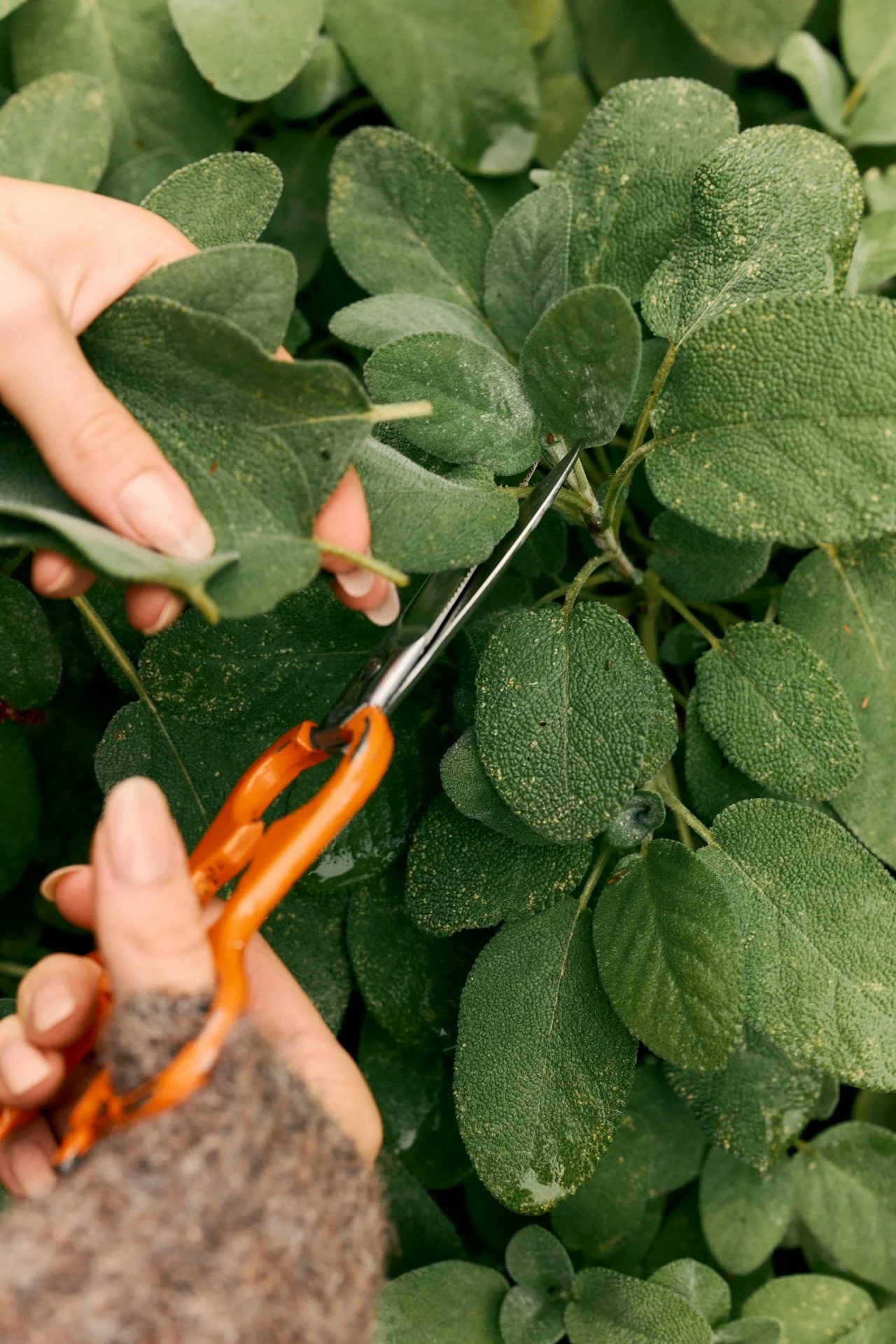
A book I frequently pull from my shelves is The Guide to Becoming Alive by Richard Christiansen of Flamingo Estate. There’s a piece in it about pruning, about bonsai specifically, and the idea that the bonsai is considered more a test for the gardener than a ritual for the tree. That the discipline of caring for it, the restraint, the close attention, the willingness to keep showing up without rushing the outcome, is where the real work lives.I am genuinely terrible at habits. I get restless with routines; I find them constraining in a way that feels more like something to push against than something to lean into, like a chore from my mom’s old chore charts. But the image of the gardener returning, unhurried, scissors in hand, trusting the process rather than forcing it, reveling in the moment of removing what needs to be removed…that idea has made me pause.Richard also writes about roses, which can only flourish with consistent and ruthless pruning. That no great bloom happens without first cutting back. He’s applied this to his own life at Flamingo Estate in a way I find both aspirational (and uncomfortable): no microwave, no television, water heated on the stove, baths taken outside. He has ruthlessly eliminated anything that speeds up life. And while I have no intentions of giving up my espresso machine or my microwaved dinners for one, there is something about the principle that sounds so, dare I say, refreshing.Greg McKeown says something similar in Essentialism: the goal is not to get more things done, but to get the right things done. To spend your energy only on what truly matters by weeding everything else out. I know this to be true. I have known it for a while, actually. Excess, whether it’s objects or tasks or opinions or obligations, does not create the life I want. The richest moments I can point to are almost always the simplest ones: a long table, good food, the right people, nowhere to be.“The solution to an overbusy life is not more time.
It’s to slow down and simplify our lives around what really matters.”
— John Mark Comer in The Ruthless Elimination of Hurry
So I’m on a pruning mission. Figuring out what that actually looks like for someone who runs a startup and a brand strategy studio, writes a Substack, and really needs to be on social media (but also kind of needs to never look at social media or my phone ever again). Pruning who I’m paying attention to, specifically the comparison spiral of watching other people build at the same time as me. Pruning my client load carefully, so there is actual space in the week to rest inside this thing rather than just sprint through it. Figuring out what it means to let light and air into the center of the plant—which is how the pruning chapter closes—with the idea that the cut only works if it’s made in a way that lets something breathe.I don’t have a tidy answer yet. This is more of a thinking-out-loud kind of evening. But FlyBoy was built on the idea of being intentional, of choosing the thing that serves the moment rather than the thing that’s just available, and I think that has to apply to the building of it too. If I want to promote languid nights filled with connection and camaraderie, I need to build that into every cell of creating this can.In the meantime, some exciting news! We will be pouring FlyBoy at Good Boy and Friends Wine Festival in LA this June. If you’re in the area, buy a ticket, and you can be one of the first to try our drink and let us know your thoughts! I’ll be in California for the month, so please send recommendations. Also, if you want to meet, I’m more than happy to make a new friend over a long dinner or a picnic in the park.Margo, Founder of FlyBoy AperitifFlyBoy is a non-alcoholic aperitif in development. Follow along at your own pace. And sign up for our waitlist to be the first to hear about our flavor drops.